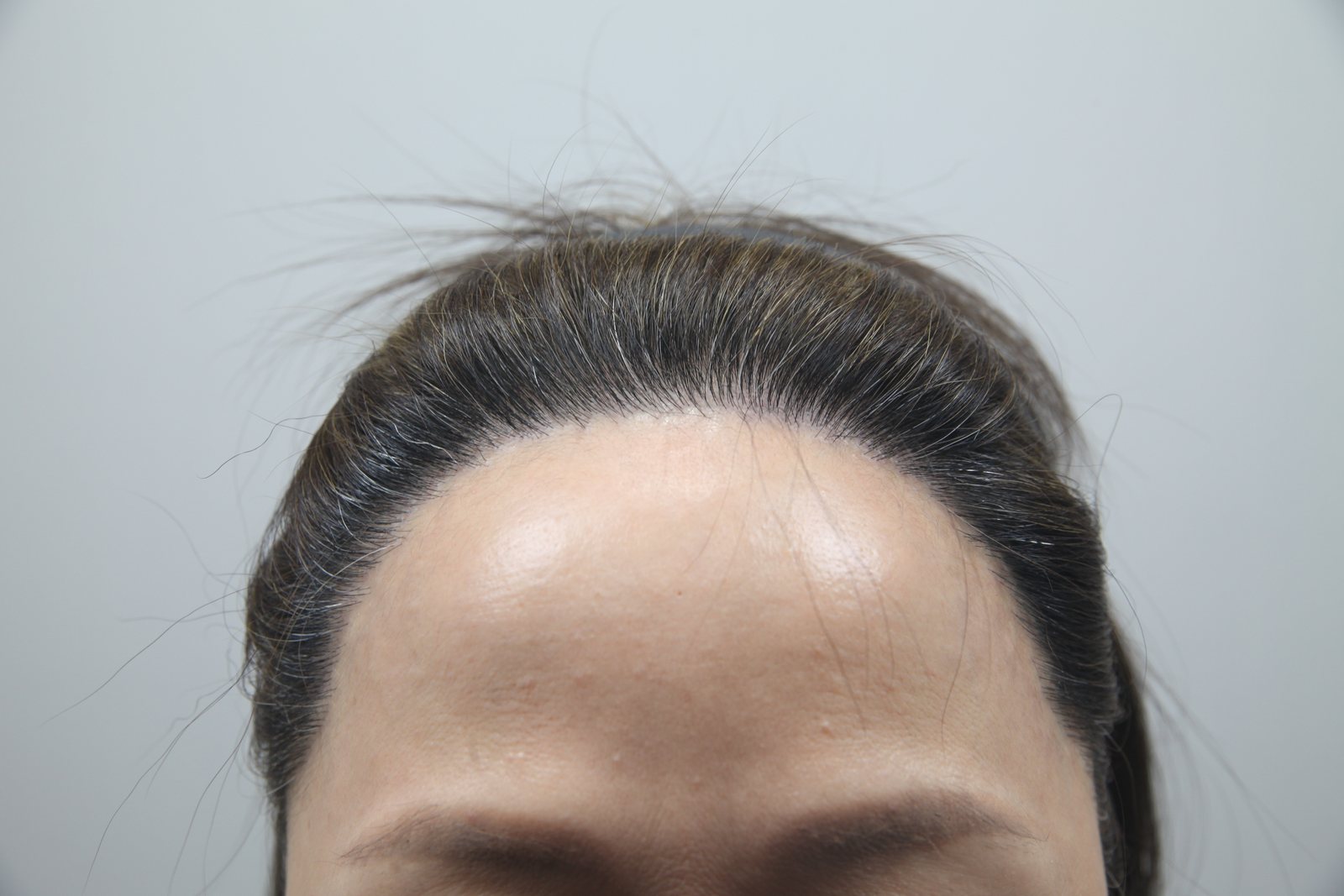
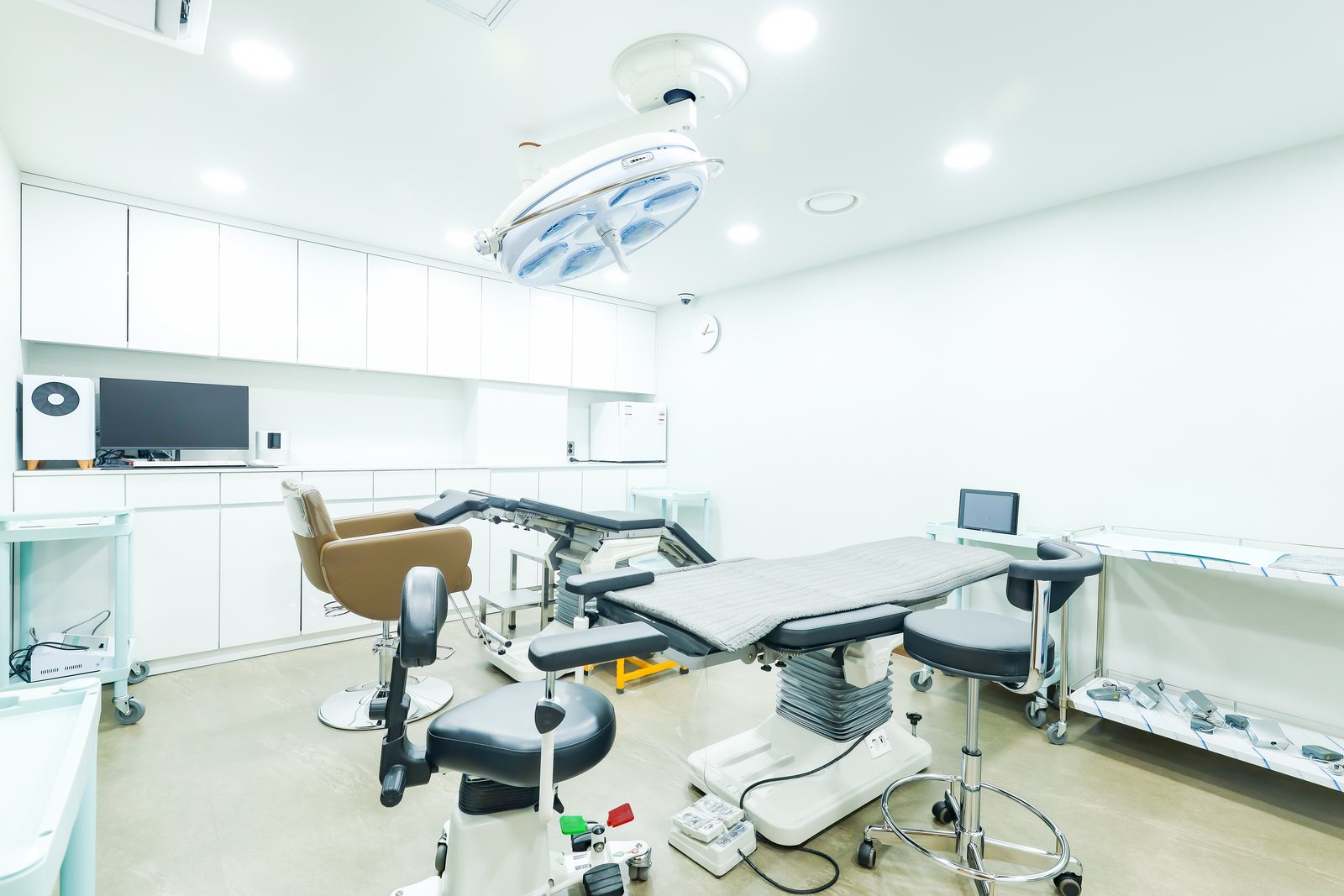
Korea has become one of the world’s top destinations for advanced hair restoration. Among the newest and most effective options available is exosome hair therapy, a cutting-edge treatment that uses the body’s own biological signals to stimulate hair growth. If you are dealing with thinning hair or early hair loss, this guide will help you understand what to expect in Korea.
What is Exosome Hair Therapy?
Exosomes are tiny particles released by cells that carry messages between other cells in your body. In hair therapy, exosomes derived from stem cells are injected into the scalp to wake up dormant hair follicles, reduce inflammation, and encourage new hair growth. This is a non-surgical treatment with no downtime and growing popularity across Seoul’s medical clinics. For those interested in understanding the full range of hairtransplant seoul guide options, exosome therapy represents one of the newest innovations alongside traditional methods.
- Stimulates follicle activity: Exosomes signal hair follicles to shift from a resting phase back into active growth mode.
- Reduces scalp inflammation: Chronic scalp inflammation is a common cause of hair loss, and exosomes help calm this process at a cellular level.
- Safe and minimally invasive: No incisions, no general anesthesia, and no recovery period required.
Types of Exosome Hair Treatment Offered in Korea
Korean clinics offer several approaches depending on your level of hair loss and treatment goals.
- Scalp injection therapy: Exosome solution is injected directly into targeted areas of the scalp using fine needles. This is the most common method and delivers results quickly to the follicle level.
- Exosome with microneedling: A microneedling device creates tiny channels in the scalp, and exosomes are applied immediately after to maximize absorption. This combination is popular for patients with more diffuse thinning.
- Exosome combined with PRP: Some clinics pair exosome therapy with platelet-rich plasma (PRP) from your own blood for a more powerful regenerative effect. This is often recommended for moderate to advanced hair loss.
- Exosome scalp booster sessions: Lighter maintenance sessions using a lower concentration of exosomes, typically used to maintain results after an initial treatment course.
Why Choose Korea for Exosome Hair Treatment?
- Advanced medical technology: Korean clinics use pharmaceutical-grade exosome products with high concentrations of growth factors, often sourced from certified laboratories.
- Experienced practitioners: Dermatologists and hair specialists in Seoul have extensive training in scalp injection techniques and regenerative treatments.
- Competitive pricing: The same level of treatment costs significantly less in Korea than in the United States, United Kingdom, or Australia.
- Integrated care: Many clinics offer scalp analysis, blood tests, and follow-up consultations as part of a complete hair health plan.
- English-friendly services: A growing number of top thermage korea clinics in Seoul provide English-speaking staff and medical coordinators who support international patients from arrival to aftercare.
Cost of Exosome Hair Treatment in Korea
Prices vary based on the number of vials used, whether additional treatments are combined, and the clinic’s level of specialization. When comparing costs with other destinations, it’s helpful to consult specialized clinics like hairlossclinicseoul.com, which provide transparent pricing and detailed breakdowns of what each treatment includes.
- Single session (basic): ₩300,000 – ₩500,000 (approximately $220 – $370 USD)
- Single session (premium, high-concentration): ₩600,000 – ₩900,000 (approximately $450 – $670 USD)
- Exosome + microneedling combo: ₩700,000 – ₩1,100,000 (approximately $520 – $820 USD)
- Full treatment course (3–6 sessions): ₩1,500,000 – ₩4,000,000 (approximately $1,100 – $2,980 USD)
Many clinics offer package discounts for multiple sessions booked together. Always request an itemized quote during your consultation.
What to Expect During and After
A typical session lasts between 30 and 60 minutes. The scalp is cleaned and a topical numbing cream is applied before injections begin. Most patients feel only mild pressure or a slight stinging sensation. After the session, the scalp may appear slightly red or feel tender for 24 to 48 hours. You can return to normal activities the same day. Avoid washing your hair for at least 12 hours after treatment and stay out of direct sunlight for a day or two. Those seeking comprehensive information about procedural options may also benefit from exploring hairtransplant korea resources to understand how exosome therapy compares with other regenerative approaches.
Follow-up and Results
Most patients begin to notice reduced hair shedding within four to six weeks. Visible new hair growth typically appears after two to three months. For best results, a course of three to six sessions spaced three to four weeks apart is usually recommended. After completing the initial course, maintenance sessions every three to six months help preserve and extend the results. Your clinic will track your progress with scalp photography and may suggest complementary treatments based on your response. Many international patients find it helpful to review detailed guides like hairtransplant korea treatments to understand how to combine exosome therapy with other available options for optimal outcomes.
Conclusion
Exosome hair therapy in Korea offers a scientifically backed, non-surgical solution for people experiencing hair thinning or early hair loss. With skilled specialists, high-quality products, and affordable pricing, Seoul is an excellent destination for this treatment. Whether you are visiting Korea specifically for hair restoration or adding it to a broader medical tourism trip, exosome therapy is worth exploring as part of your hair health journey.
Ready to learn more or book a consultation? Contact us on WhatsApp today for a free, no-obligation consultation. Our team will help you find the right clinic, understand your options, and plan your visit to Seoul with confidence.