Low-Level Laser Therapy in Korea | Hair Loss Treatment Seoul

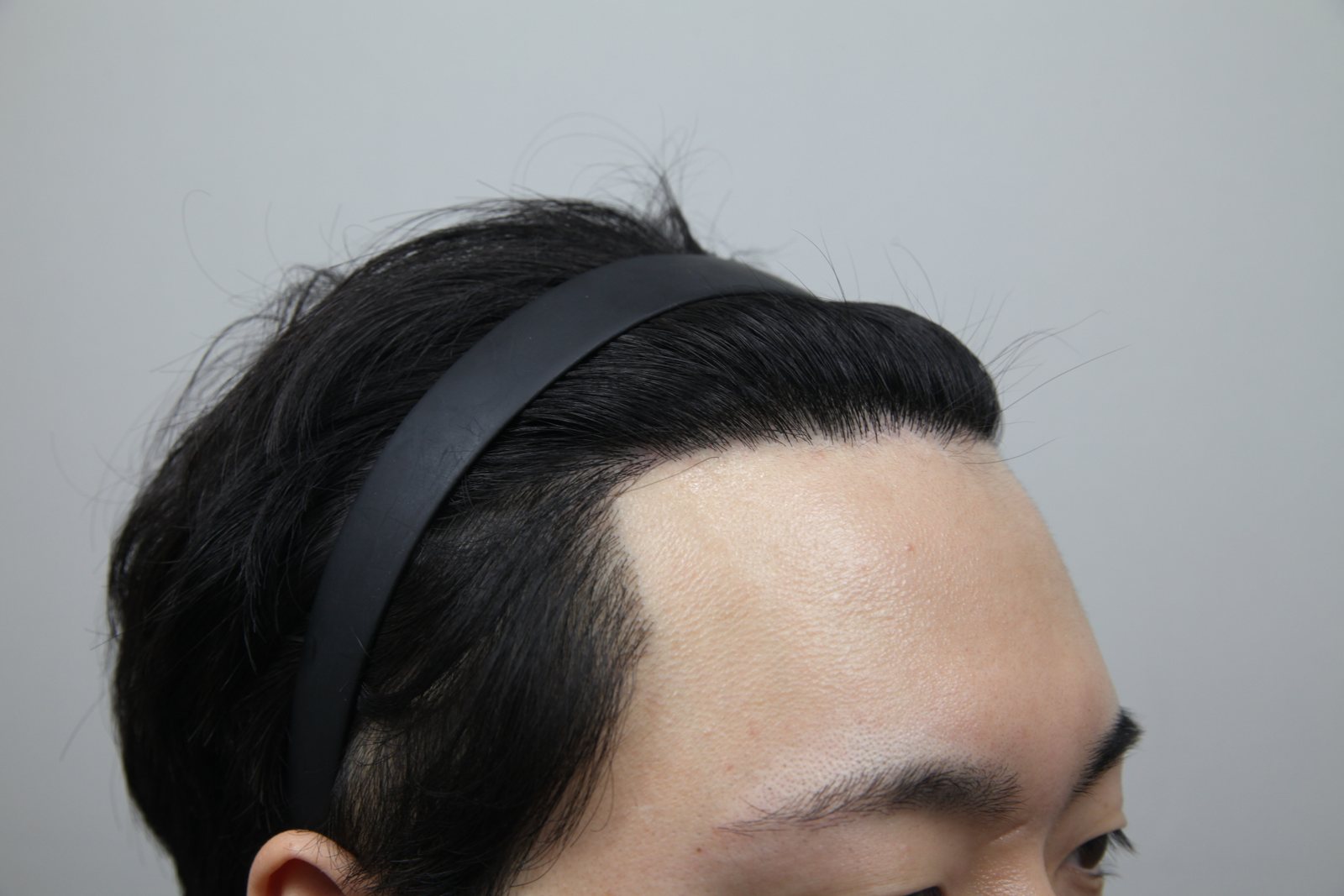
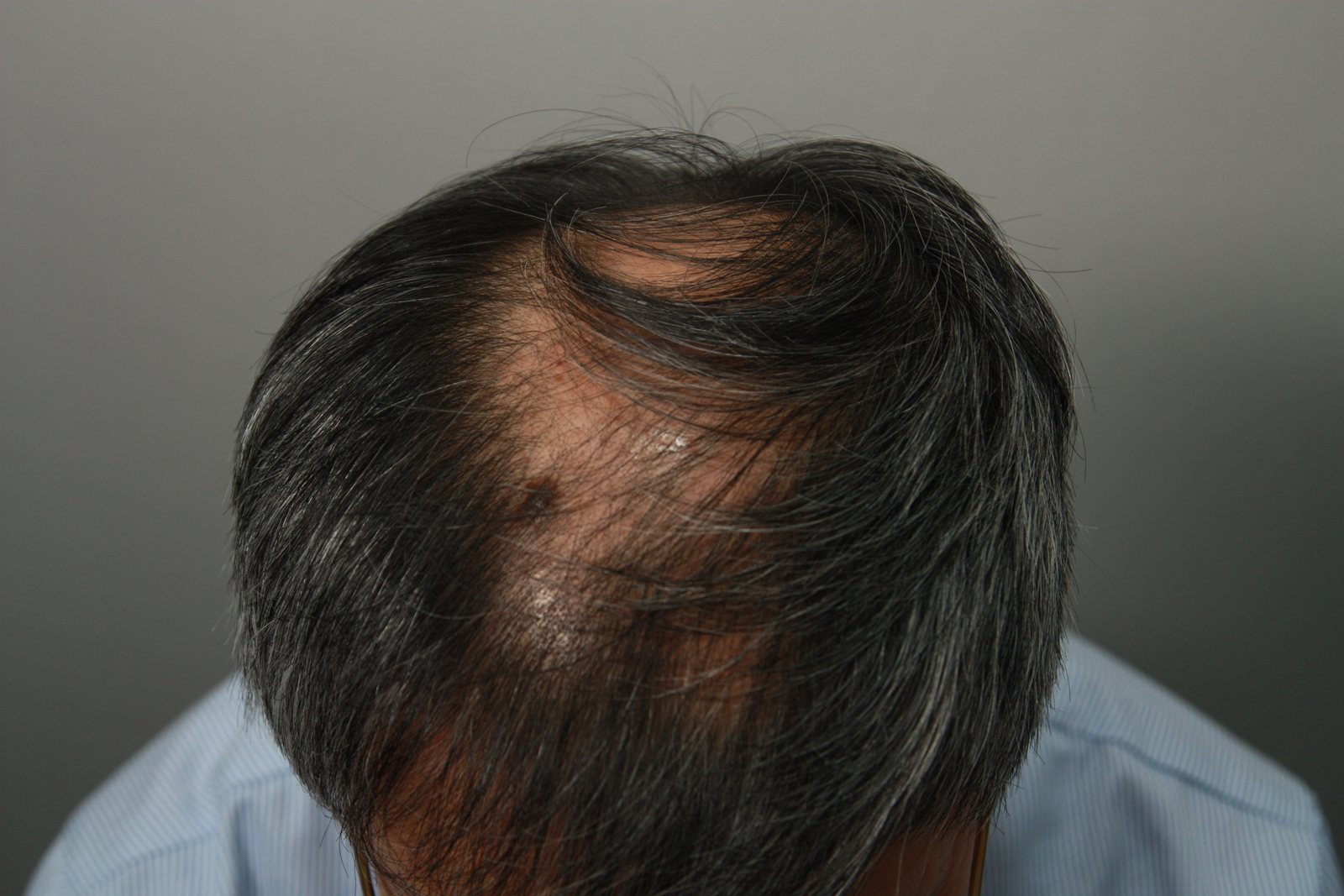
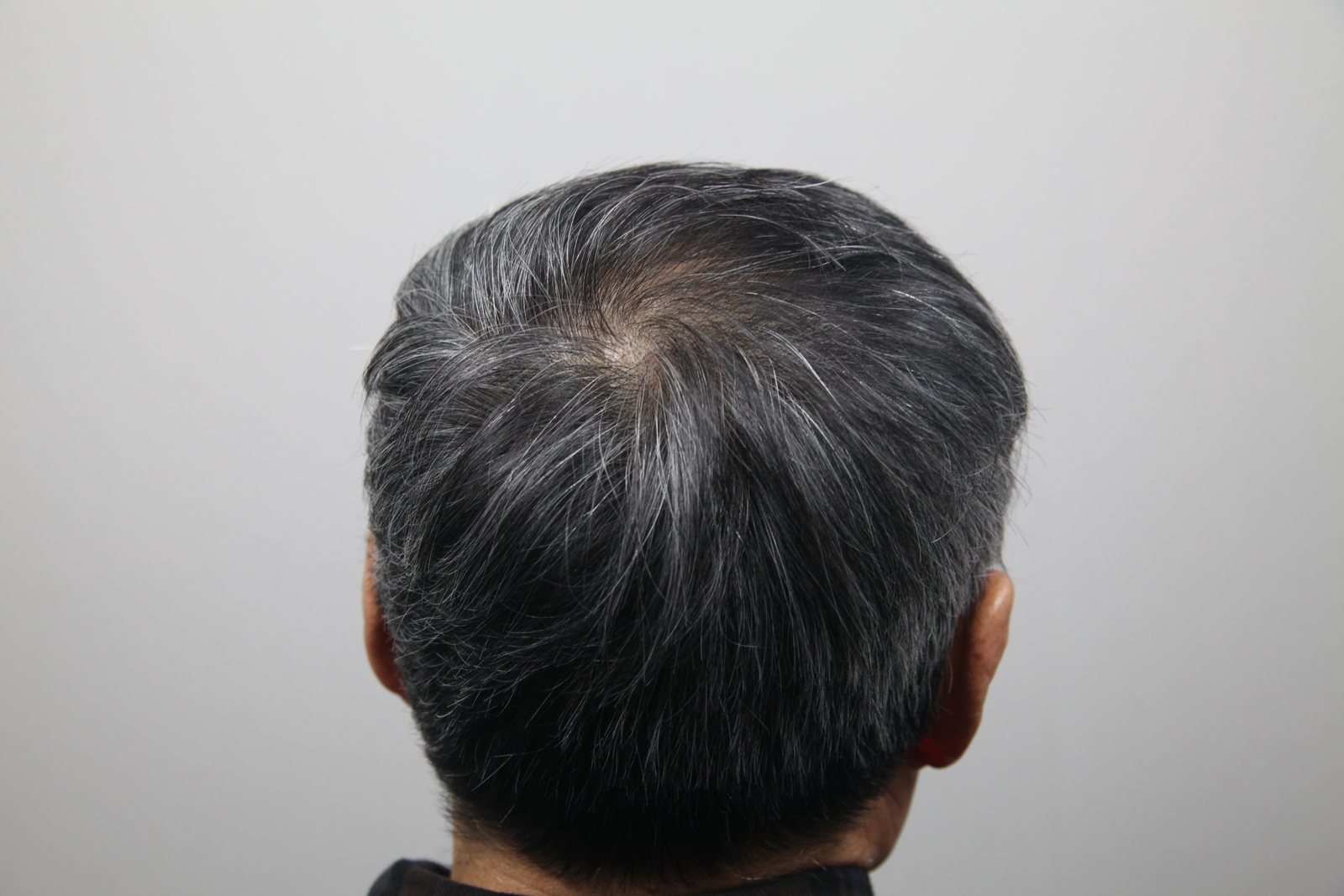
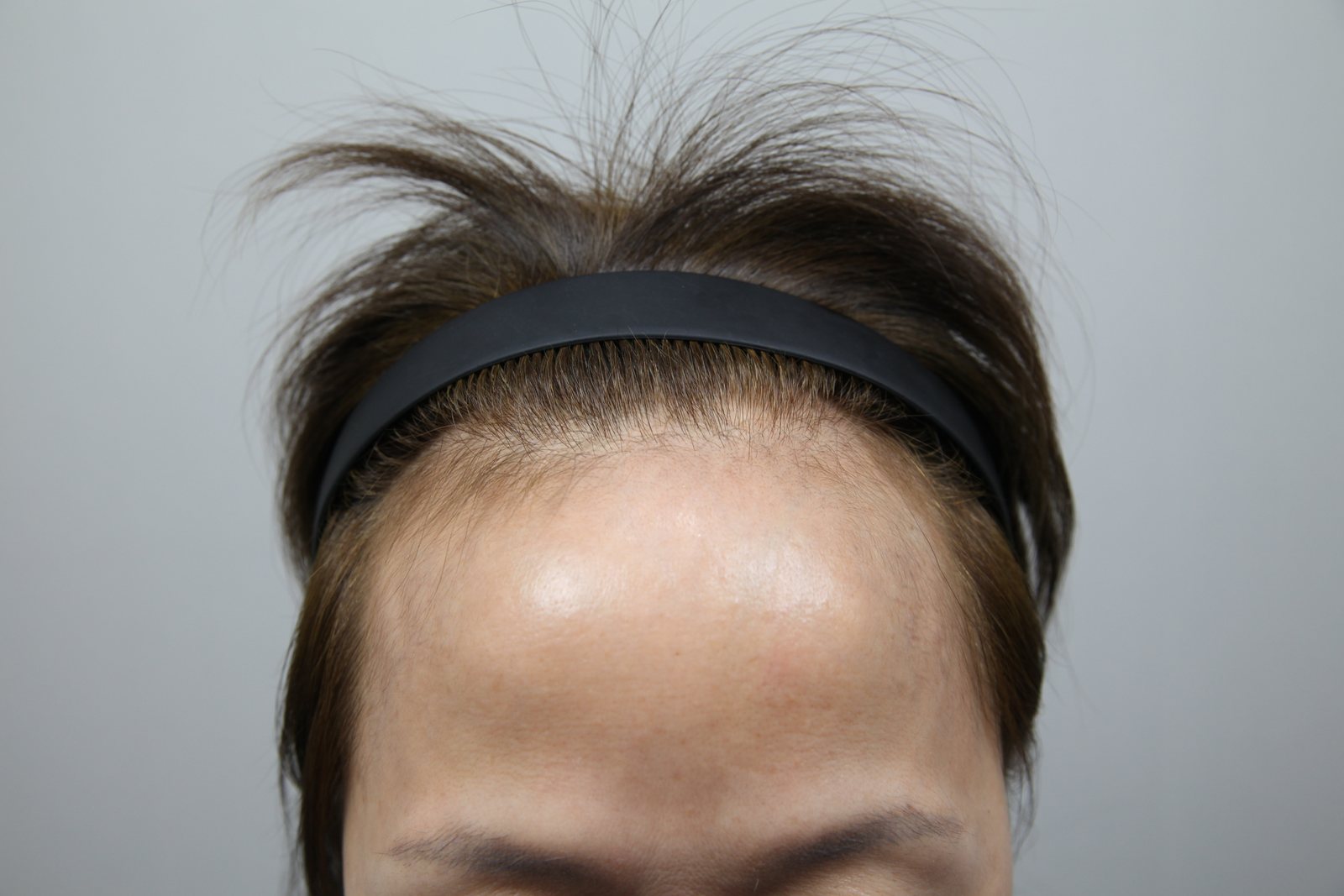
Korea is one of the world’s leading destinations for hair loss treatment, and low-level laser therapy (LLLT) is one of the most popular non-surgical options available. Seoul clinics combine advanced technology with experienced specialists to deliver real, lasting results. Whether you are just starting to lose hair or looking to maintain what you have, LLLT in Korea offers an affordable and effective solution.

What is Low-Level Laser Therapy?

Low-level laser therapy is a non-invasive treatment that uses low-power red light lasers to stimulate hair follicles. The light energy is absorbed by cells in the scalp, which encourages hair growth and slows down hair loss. It is painless, requires no surgery, and has no downtime. LLLT is approved and widely used for both men and women experiencing hair thinning or early-stage hair loss. For those interested in exploring other hair restoration options alongside or instead of laser therapy, read more here about comprehensive hair treatment approaches available in Seoul.

  • Stimulates follicle activity: Laser light increases blood flow to the scalp and wakes up dormant hair follicles.
  • Reduces hair shedding: Regular sessions help slow down the hair loss process significantly.
  • Safe and painless: No needles, no cuts, and no recovery time needed after each session.

Types of Low-Level Laser Therapy Offered in Korea

Korean hair clinics offer several formats of LLLT depending on your needs and budget:

  • In-clinic laser helmet or cap sessions: You sit under a professional-grade laser device for 20 to 30 minutes per session. This is the most common and effective format.
  • Laser comb or panel treatment: A handheld or panel device is used directly on specific areas of the scalp for targeted treatment.
  • Combined LLLT and mesotherapy: Some clinics pair laser sessions with scalp injections of vitamins and growth factors for faster results.
  • At-home device prescription: After in-clinic sessions, some clinics prescribe a medical-grade LLLT device for continued home use.

Why Choose Korea for Low-Level Laser Therapy?

  • Advanced equipment: Korean clinics invest in the latest FDA-cleared and CE-certified laser devices, ensuring high safety and effectiveness standards.
  • Specialist doctors: Hair loss treatment in Korea is handled by board-certified dermatologists and trichologists with deep experience in hair restoration. A verified dermatologist seoul can provide personalized consultations to determine the best approach for your specific condition.
  • Affordable pricing: Compared to the United States, United Kingdom, or Australia, LLLT sessions in Korea cost significantly less for the same quality of care.
  • Comprehensive hair care programs: Korean clinics often bundle LLLT with scalp analysis, blood tests, and follow-up consultations for a full treatment plan.
  • English-friendly services: Many Seoul clinics in medical tourism hubs offer English-speaking staff and translation support for international patients.

Cost of Low-Level Laser Therapy in Korea

Pricing varies depending on the clinic, session length, and whether LLLT is combined with other treatments. Here are typical price ranges:

  • Single LLLT session: ₩50,000 – ₩120,000 (approximately $37 – $90 USD)
  • Package of 10 sessions: ₩400,000 – ₩900,000 (approximately $300 – $670 USD)
  • Combined LLLT and mesotherapy package (10 sessions): ₩800,000 – ₩1,800,000 (approximately $600 – $1,350 USD)
  • Full hair restoration program (including scalp analysis, LLLT, and consultation): ₩1,500,000 – ₩3,000,000 (approximately $1,120 – $2,240 USD)

Prices are estimates and may vary by clinic. If you are considering more advanced hair restoration options, hairtransplantclinickorea.com provides detailed pricing comparisons for alternative procedures. Always request a personalized quote during your consultation.

What to Expect During and After

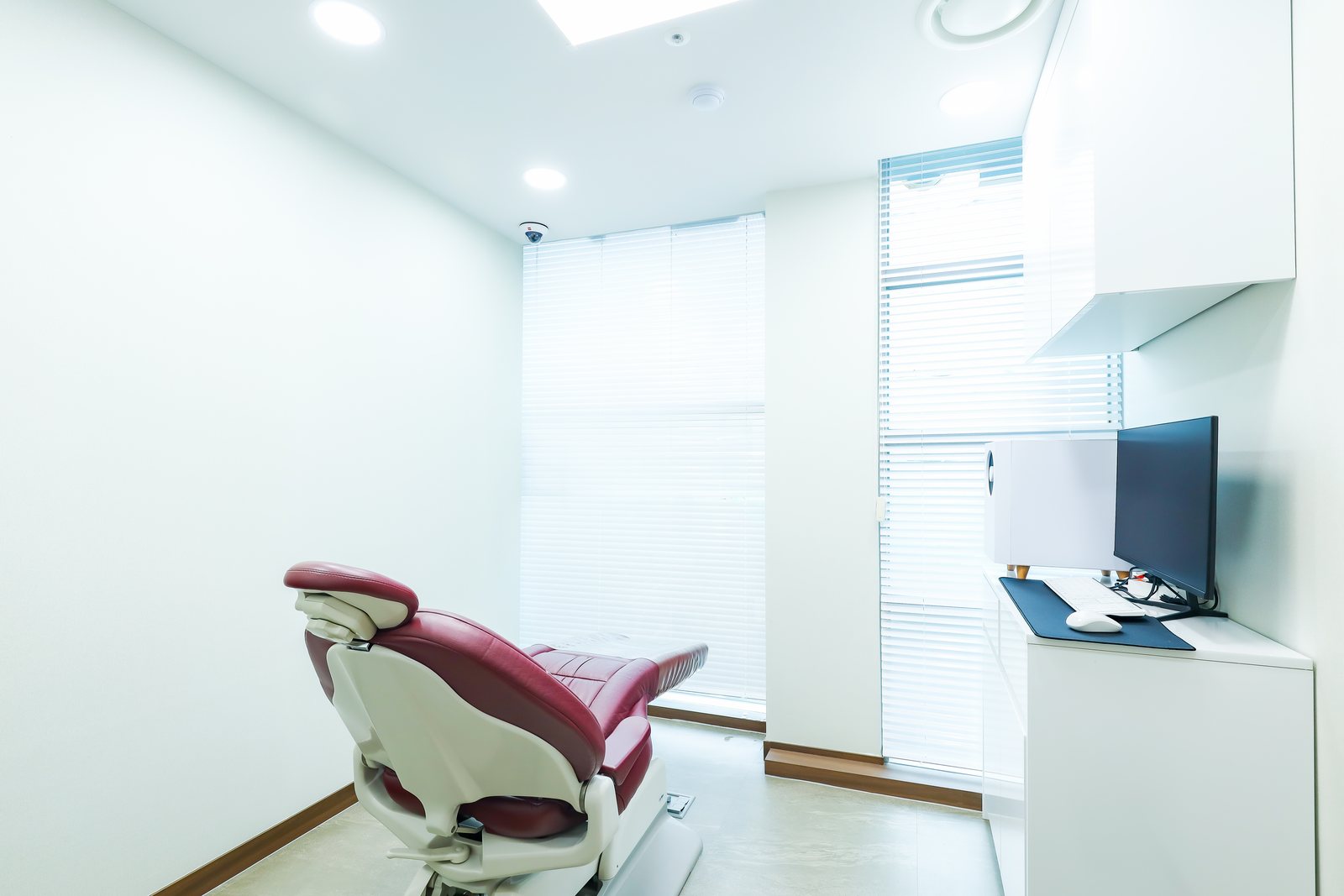
Each LLLT session is simple and comfortable. You will sit in a chair while a laser helmet, cap, or panel device is placed over your scalp. Sessions typically last between 20 and 30 minutes. You will feel no pain, only mild warmth in some cases. After the session, you can return to your normal activities immediately. There is no redness, swelling, or recovery period. Most patients begin treatment two to three times per week for the first few months. Many patients also explore complementary treatments available at specialized clinics focusing on hairloss seoul in korea to maximize their results.

Follow-up and Results

Results from LLLT build gradually over time. Most patients notice reduced shedding within the first four to eight weeks. Visible new hair growth is usually seen after three to six months of consistent treatment. Korean clinics typically schedule follow-up appointments every four to six weeks to track your progress and adjust the treatment plan if needed. Some patients continue with monthly maintenance sessions once they reach their target results. For patients interested in understanding the full spectrum of treatment costs and options, reviewing information about hair transplant cost in south korea 2026 in korea can help with financial planning. Combining LLLT with other treatments like minoxidil or PRP therapy can further improve outcomes.

Conclusion

Low-level laser therapy in Korea is a smart, science-backed option for anyone dealing with hair thinning or loss. Seoul clinics offer high-quality devices, experienced doctors, and competitive prices that make the trip worthwhile. Whether you want a standalone laser program or a combined hair restoration plan, Korea has the expertise and technology to help you achieve real results without surgery or downtime.

Ready to take the first step toward healthier hair? Contact us on WhatsApp today for a free consultation. Our team will help you find the right clinic in Seoul, compare packages, and plan your medical trip from start to finish. Get personalized advice and honest pricing with no pressure — just expert guidance to help you make the best decision for your hair and your budget.